


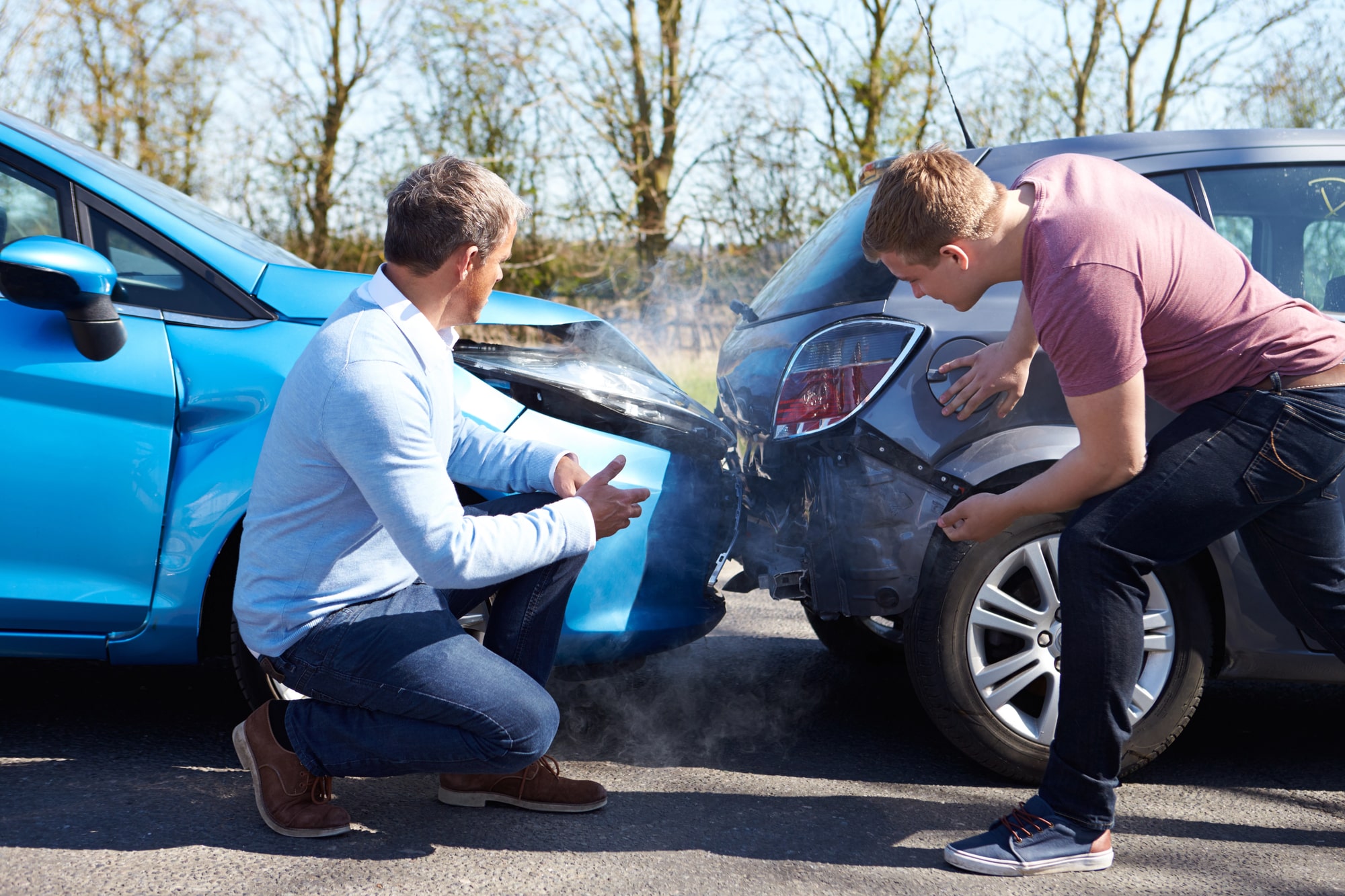
Most people focus on medical bills and repair costs after a crash, but a vehicle can lose real market value even after flawless repairs. Here are answers to the questions Lauderhill drivers ask most about recovering that loss and handling transportation while a car is out of service.
What Is Diminished Value After a Crash?
Diminished value is the gap between what a vehicle was worth right before a collision and what it is worth after repairs, even high-quality ones. A repaired vehicle carries an accident history that shows up on services like Carfax, and buyers typically pay less for a car with that history, regardless of how well the repair work was actually done. A Lauderhill car accident lawyer often has to explain this concept to clients who assume that once a car looks fixed, no further loss exists.
Who Pays for Diminished Value in Florida?
Florida courts recognize diminished value as a real, recoverable loss, though it is generally only available in third-party claims against the at-fault driver’s insurer. According to the Florida Department of Financial Service, diminished value may be covered in a third-party property damage claim but is typically excluded from a driver’s own first-party physical damage coverage.
How Is Diminished Value Calculated?
There is no single formula written into Florida law for this calculation. Most appraisers start with the vehicle’s fair market value immediately before the crash, then compare it to a professional appraisal completed after repairs are finished. Factors like the severity of the damage, the age and mileage of the vehicle, and how well the repair matches factory standards all influence the final number. A newer vehicle with low mileage generally shows a larger dollar loss than an older car, simply because there is more market value left to lose in the first place.
What About a Rental Car While Mine Is Being Repaired?
Rental reimbursement works differently depending on whose policy is paying for it. A few details matter most:
- Coverage limits are shown on the policy and vary between insurers
- Some insurers pay the rental company directly, while others require the driver to pay first and submit receipts
- Rental reimbursement typically only applies once a vehicle is deemed inoperable or unsafe to drive
- A claim against the at-fault driver’s insurer may cover a rental for the full repair period, not just a capped daily rate
Understanding which policy applies before renting a replacement vehicle can prevent an unpleasant surprise later.
Can I Claim Diminished Value From My Own Insurer?
Generally, no. Diminished value claims against a driver’s own insurer are rare and typically only available under specific, uncommon coverage types. In most situations, this type of claim can only be pursued against the insurer of the driver who caused the crash, which is why documenting fault clearly matters just as much for a diminished value claim as it does for any other part of the case.
What Should I Do to Protect a Diminished Value Claim?
Waiting too long or skipping documentation can quietly cost a driver real money. A Lauderhill car accident lawyer generally recommends getting a written appraisal once repairs are complete, keeping every repair record and estimate, and raising the diminished value issue with the insurer before signing off on a final settlement that might not account for it.
Where Can I Get Help With a Vehicle Value Claim?
Diminished value and rental coverage are the kind of details that often get overlooked while everyone focuses on medical bills and visible repairs. The Andres Lopez Law Firm has helped Lauderhill drivers account for every category of loss after a crash, not just the obvious ones, and making sure a settlement reflects the true cost of what was lost takes attention most people do not know to ask for. If your vehicle lost value after a crash that was not your fault, reach out so that loss can be properly documented and included in your claim.