
Drivers often owe pedestrians a duty to stop, but that duty is not unlimited. Insurers know this, and they look closely at what the pedestrian was doing before the crash. These answers explain how fault is weighed in Florida and why it matters.
Who Has the Right of Way in a Crosswalk?
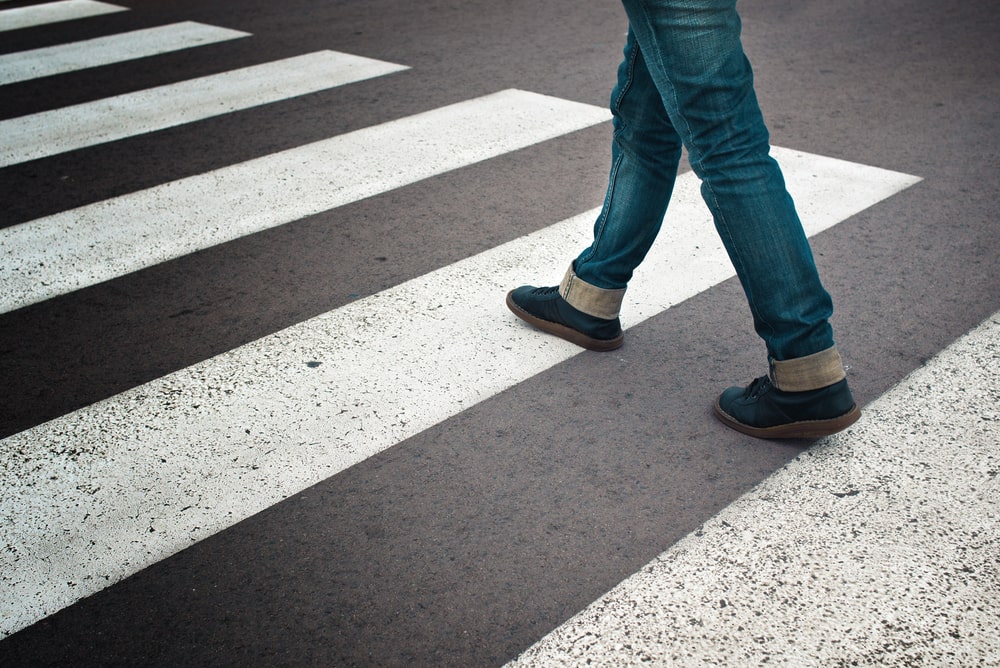
At an intersection with a traffic signal, a driver must stop before entering the crosswalk and remain stopped while a pedestrian with a permitted signal crosses. That includes a pedestrian who steps into the crosswalk and is on the driver’s half of the road.
Florida Statute 316.130 sets out these duties, along with the rules that apply to pedestrians themselves.
Does Crossing Outside a Crosswalk End a Claim?
No, but it changes the conversation. A pedestrian who crosses a roadway somewhere other than a marked crosswalk, or an unmarked crosswalk at an intersection, must yield to vehicles. A driver still has to use reasonable care, and that care does not disappear because someone chose the wrong spot to cross. Courts see this issue often, as the differences between crosswalk and jaywalking cases show.
Florida compares the fault of everyone involved. Under Florida Statute 768.81, a person found more than 50 percent at fault for their own harm may not recover damages, and a lower percentage reduces the recovery.
How Do Insurers Decide Who Was at Fault?
Adjusters rely on a handful of facts, and the pedestrian’s version is only one source. Many pedestrians are surprised that an insurer may form an opinion about fault within days, often before medical treatment is complete. The adjuster commonly reviews:
- Where the pedestrian entered the roadway and whether a crosswalk was nearby
- The signal phase at the moment of impact
- The driver’s speed, attention and any phone use
- Lighting, weather and visibility at the time
- Traffic camera or business surveillance video
A Tamarac pedestrian accident lawyer will often collect this evidence before it is overwritten, because the first account an insurer records can shape every later decision.
Does Darkness or Clothing Change the Analysis?
It can. Drivers are expected to watch for people on or near the road, but low light makes it harder to prove what either person could see. The way courts view darkness and pedestrian liability often turns on streetlights, headlight use and how far ahead the driver could see.
Dark clothing is sometimes raised as a fault argument. It does not excuse a driver who was speeding or looking at a phone, though it can affect how fault is divided.
What if the Driver Was Working for a Rideshare Company?
Pedestrian crashes involving a rideshare vehicle add layers of insurance, because coverage may depend on whether the app was on and whether a passenger was in the car. A Tamarac rideshare accident lawyer looks at the driver’s status at the time of the collision before deciding which policies may apply.
Claims against drivers on a delivery or ride platform can move more slowly because several insurers may dispute responsibility. Each insurer has an incentive to point to another policy, so a pedestrian can wait weeks while the companies sort out who owes what.
What Injuries Are Common After a Pedestrian Crash?
A person on foot has no protection in a collision, so injuries are often serious. Head trauma, spinal injuries and fractures appear frequently, and a Tamarac TBI lawyer may be needed when symptoms such as memory loss or headaches develop days later.
Severe harm that changes a person’s ability to work is handled as a Tamarac catastrophic injury claim, which looks beyond immediate bills to future care and lost earning capacity.
Why Does the Way Fault Is Proven Matter?
Evidence decides most pedestrian cases. A careful approach to proving pedestrian fault starts with photographs of the scene, medical records and witness names, and it continues with requests for driver and vehicle data.
Those requests need to go out early. Event data recorders, phone records and nearby video can be lost within weeks, and a pedestrian who waits for an insurer to ask for them may find that they no longer exist.
Who Represents Pedestrians in Tamarac?
The Andres Lopez Law Firm represents injured people in Tamarac and across Broward County, including pedestrians hurt in collisions with cars, trucks and rideshare vehicles.
What Is a Sensible Next Step?
Seek medical care, keep records and avoid guessing about fault with an adjuster. Pedestrians who are unsure how their own conduct will be viewed can reach out to a Tamarac pedestrian accident lawyer to review the facts before a recorded statement is given.