


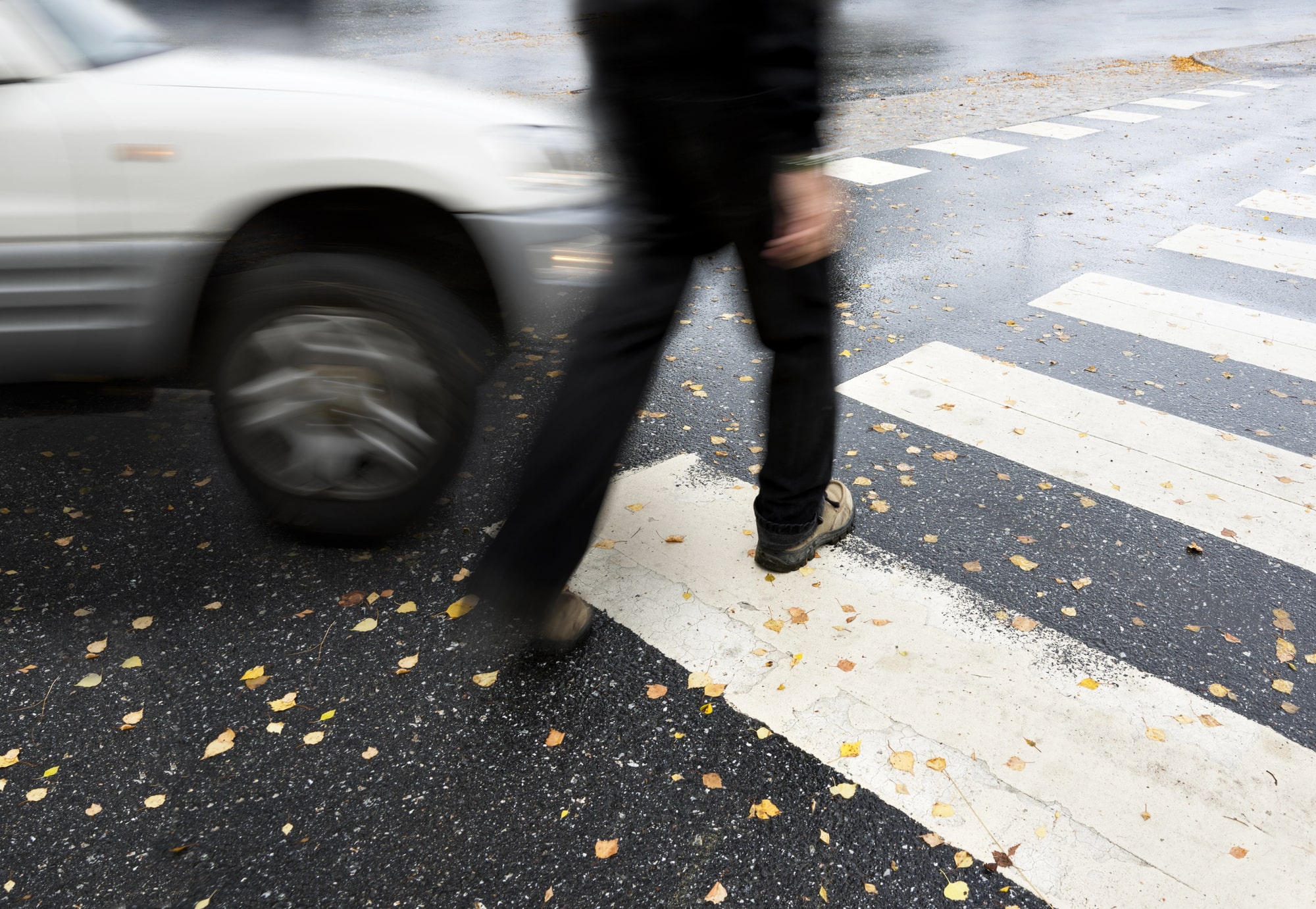
A pedestrian hit by a car usually faces medical bills before anyone has decided who was at fault. Florida’s no-fault insurance system is built to cover those first costs, but it comes with deadlines and limits. Knowing how it works can protect both treatment and a later claim.
How Florida’s No-Fault Coverage Reaches Pedestrians
Many people assume personal injury protection, known as PIP, only helps drivers and passengers. In Florida, it also reaches people struck by a motor vehicle while they are not riding in a self-propelled vehicle. That includes pedestrians walking, jogging or crossing the street. Coverage also depends on the facts of the crash, so the first step is identifying the vehicle, its owner, and its insurer. A person without a car, or with one that wasn’t involved, may still have access to benefits through the vehicle that struck them.
The coverage is described in Florida Statute 627.736, which sets a limit of $10,000 in medical and disability benefits and $5,000 in death benefits.
The 14-Day Treatment Rule
PIP medical benefits generally depend on starting care within 14 days of the crash. Someone who feels sore but skips the doctor can lose coverage that would otherwise have been available. Adrenaline also hides injuries, so symptoms sometimes appear days later.
A North Miami pedestrian accident lawyer will often ask first when treatment began, because gaps at the start of care can create coverage disputes. Follow-up visits keep the record consistent and show how the injury is progressing.
Insurers may also seek broad access to records, so it helps to understand medical releases before signing anything.
What PIP Does Not Cover
PIP is a first layer, not a full recovery. Benefits stop at the policy limits, and they don’t compensate for pain, lost enjoyment of life, or the long-term effects of a serious injury. Costs that may fall outside PIP include:
- Medical bills above the benefit limit
- Pain and suffering
- Wage loss beyond what disability benefits replace
- Future care for lasting injuries
Those gaps are why many injured pedestrians still face high out-of-pocket costs even with PIP in place.
Damages already paid or payable through PIP generally cannot be recovered a second time from the at-fault driver, which prevents double recovery.
Pursuing the rest means proving fault and valuing losses, including pain and suffering, against an insurer with its own interests.
When Injuries Exceed the PIP Limit
Serious pedestrian injuries can exceed that limit quickly. A catastrophic injury such as a spinal injury, brain trauma, or multiple fractures can require surgery, rehabilitation, and long-term care. Documentation of future care needs matters most, since a treating doctor’s opinion on long-term needs is often central to valuing the claim.
Liability coverage on the at-fault driver’s policy, and sometimes uninsured motorist coverage, then become the main sources of recovery. Many of these crashes also involve a car accident investigation into speed, visibility, and who had the right of way.
A quick settlement offer can look attractive when bills are piling up, but accepting a quick settlement before the full picture is known can close the door on future care.
How the Firm Sorts Out Coverage
At The Andres Lopez Law Firm, Andres Lopez has practiced law in Maryland since 2006 and in Florida since 2009, and we start by working out which coverage applies before any demand is made. He handles personal injury matters at the firm and is a member of the Florida Bar and the Broward County Bar Association.
Protecting Both Treatment and the Claim
Getting care promptly, keeping every bill, and understanding which coverage applies puts an injured pedestrian in a stronger position from the start. Those hurt in a crash can contact a North Miami pedestrian accident lawyer to sort out PIP, fault, and any claim beyond it. Photographs of the crossing, any marked crosswalk and the vehicle involved can help later, but treatment and coverage questions come first.