
A recent hit-and-run on the 17th Street Causeway bridge renewed concern about the city’s most hazardous roadways. Some crossings and corridors here appear in crash reports year after year. Knowing where collisions concentrate is one way for drivers and cyclists to travel more carefully and to understand their rights if a negligent driver causes harm.
A Recent Loss on the 17th Street Causeway
According to police, a black vehicle struck 68-year-old Shelley Lewis in the eastbound protected bicycle lane around 6:40 a.m. and then left the scene. Officers later arrested a 22-year-old driver, who now faces a felony count of leaving the scene of an accident involving death, along with a charge of tampering with evidence.
The incident was reported by CBS News Miami.
Where Crashes Tend to Cluster
The Causeway is only one of several Fort Lauderdale locations with a difficult reputation among local drivers and traffic engineers. A few stand out repeatedly:
- Oakland Park Boulevard and Powerline Road, where heavy volume meets the approach to Interstate 95
- Broward Boulevard and Andrews Avenue, a downtown hub crowded with buses and turning vehicles
- Commercial Boulevard and University Drive, a high-volume crossing in the north of the city
- A1A and East Las Olas Boulevard, where beach traffic, tourists, and pedestrians converge
These spots share common ingredients: high speeds, dense traffic, frequent turns, and the steady mix of commuters and visitors that defines South Florida driving.
Florida’s official crash records are available through the state’s highway safety agency, which serves as the repository for reported collisions.
Why These Crossings Are So Hazardous
A dangerous intersection is rarely the product of a single flaw. More often, several factors combine. Common contributors include:
- Drivers running red lights or accelerating through yellow signals
- Failure to yield when turning left across oncoming traffic
- Distraction from phones and navigation devices
- Limited visibility from landscaping, signage, or larger vehicles
The added risk for cyclists
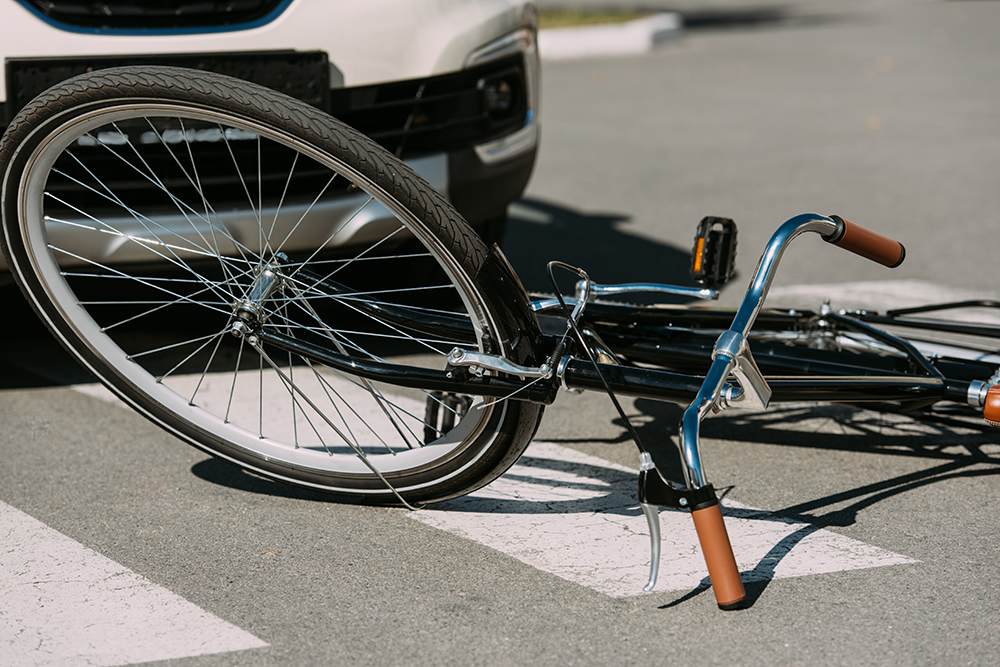
Riders face particular exposure, as the death on the Causeway makes painfully clear. A cyclist has no metal frame or airbag for protection, and drivers frequently fail to anticipate a bicycle in a turn lane, crosswalk, or marked lane. When a driver leaves the scene, as happened here, an injured rider may wait longer for the care they need.
What the Law Requires After a Crash
Every driver involved in a collision has a duty to stop and remain at the scene. When a crash causes injury or death, leaving is a serious felony under Florida Statute 316.027. The statute lists cyclists among the road users it is intended to protect.
Liability often turns on small details: the sequence of a signal, the position of each vehicle, and the accounts of witnesses. Insurers know this, and they may attempt to shift blame onto the injured party. Prompt documentation, including the crash report and any available video, can be decisive.
A skilled Fort Lauderdale bicycle accident lawyer can request signal timing data, secure surveillance footage before it is overwritten, and reconstruct how a collision unfolded. Florida law generally allows two years to file most injury claims, and evidence tends to fade well before that window closes.
How Our Firm Can Help
At The Andres Lopez Law Firm, we represent injured riders and families throughout Fort Lauderdale and the surrounding communities. We examine how a crash happened, identify every available source of recovery, and address the insurance companies directly so that those affected can focus on what matters.
If you or a loved one was hurt in a collision like the one on the 17th Street Causeway, consulting a Fort Lauderdale, FL bicycle accident lawyer early can help preserve evidence and protect your legal rights.