


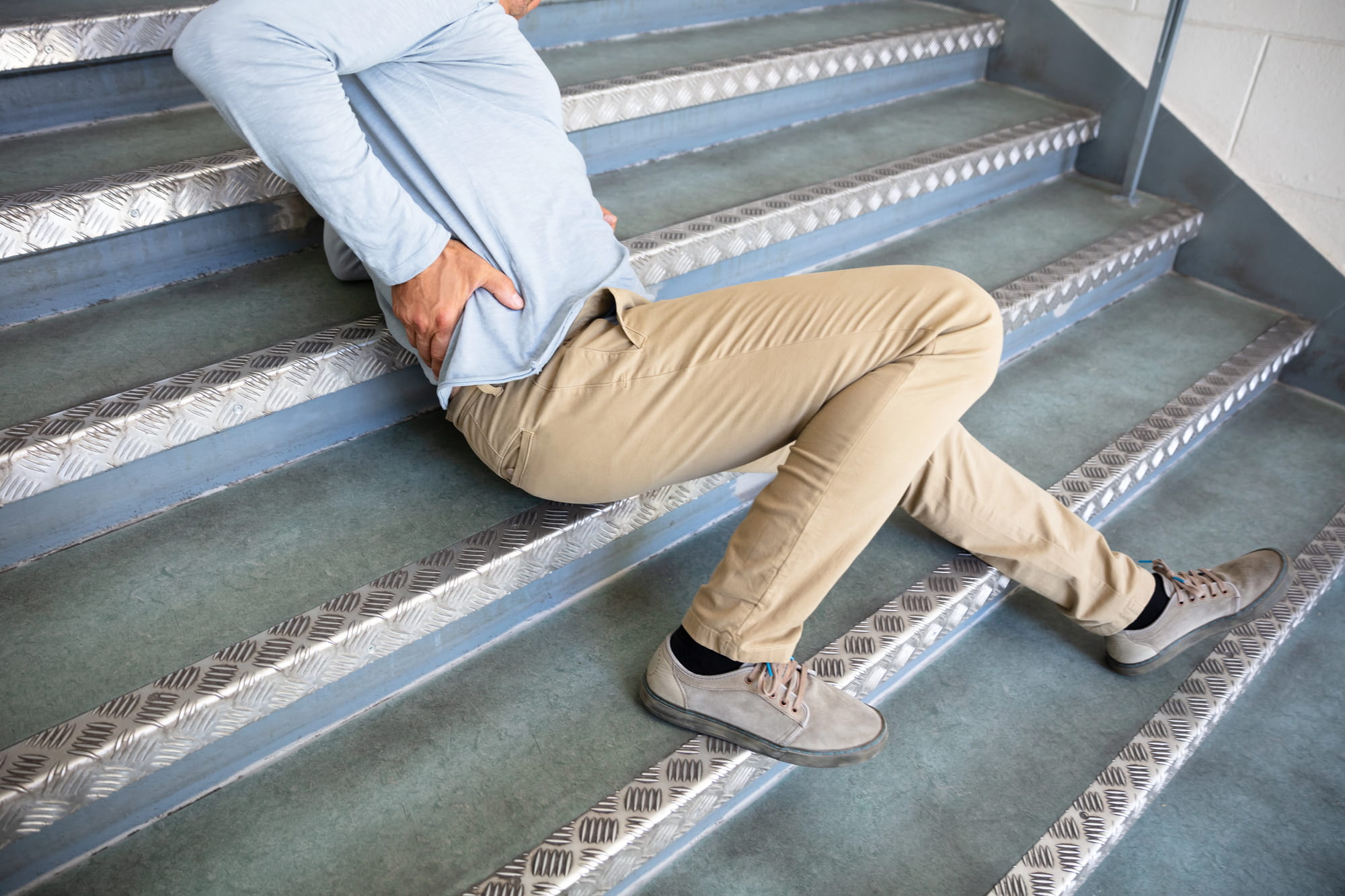
A wet floor without a warning sign. A spill left unattended during a busy afternoon. A freshly mopped surface that no one thought to mark. These are among the most common conditions behind serious slip and fall injuries in Florida, and they raise real questions about what property owners are required to do and what happens when they fall short.
What Florida Law Requires of Property Owners
Florida has a specific statute governing slip and fall claims on transitory foreign substances, the legal term for spills, moisture, tracked-in water, and similar hazards on a floor. Under Florida Statute Section 768.0755, a person injured by a slippery substance on a business floor must prove that the business had actual or constructive knowledge of the hazard and failed to take action.
Constructive knowledge means the business should have known about the condition. Courts look at factors like how long the substance was on the floor, how visible it was, and whether the business had a system for regularly inspecting and cleaning the area.
This legal standard is more demanding than simply proving a fall occurred. It’s one reason why thorough documentation and prompt action are so important in these cases.
Common Hazards That Lead to Claims
Several patterns come up repeatedly in slip and fall cases:
- Wet floors from spills, recent mopping, or rain tracked indoors near entrances
- Leaking coolers, refrigeration units, or drink dispensers in grocery and retail stores
- Unmarked transitions between flooring types, such as from carpet to tile
- Poor drainage in restrooms, food service areas, or outdoor walkways
- Algae, moss, or standing water on exterior walkways near businesses
In each situation, the key question is whether the owner knew or should have known about the condition and failed to address it or warn visitors about it.
Why Evidence Makes or Breaks These Cases
Florida’s legal standard makes early evidence gathering especially important. If a business can plausibly argue it had no notice of the hazard, the claim becomes harder to sustain. Evidence that counters that argument includes:
Surveillance footage showing how long the substance was on the floor before the fall. Cleaning and inspection logs, either showing the area was checked or revealing it wasn’t. Incident reports generated at the time of the fall. Witness accounts from employees or other customers who observed the condition. Photographs taken immediately after the incident.
Spills get cleaned, footage gets overwritten, and memories fade. Speaking with a Margate slip and fall lawyer promptly after an injury can make the difference between preserving that evidence and losing access to it.
The Injuries These Accidents Cause
Falls on hard surfaces frequently produce serious outcomes. Fractured wrists and hands are common as people reach out to break a fall. Hip fractures are a significant concern, particularly for older adults, where recovery is often prolonged and complicated by other health conditions. Back and spinal injuries, knee damage, and head trauma can follow more severe incidents. The combination of medical costs, lost wages, and lasting physical limitations can be substantial.
Taking the Next Step
The Andres Lopez Law Firm represents clients injured at businesses, commercial properties, and other locations throughout South Florida where a property owner’s failure created a dangerous condition.
If you were hurt because of a wet floor or unmarked hazard on someone else’s property, a conversation with a Margate slip and fall lawyer can help you understand whether the evidence supports a viable claim and what your options are going forward.