

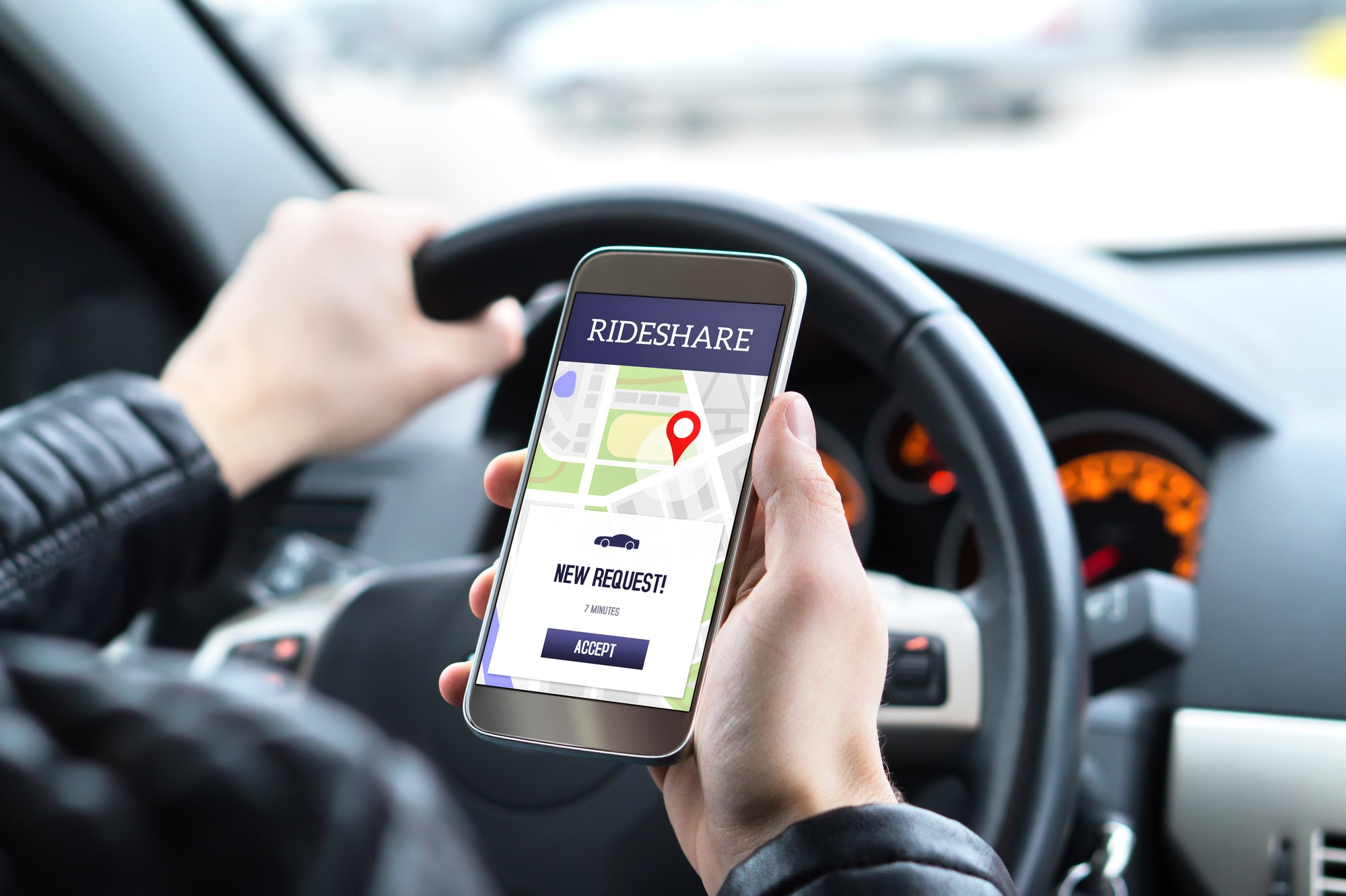
You know those terms and conditions you agreed to when you downloaded Uber or Lyft?
Nobody reads them. You just wanted to book a ride and get where you were going. But buried somewhere in all that legal language is an arbitration clause, and if you’ve been injured in a rideshare accident, that clause can seriously complicate your ability to get compensated.
We see this all the time at The Andres Lopez Law Firm. People come in after getting hurt, and they’re surprised to learn that clicking “agree” on their phone might have affected their legal rights. So let’s talk about what these clauses actually mean and whether you’re really stuck with them.
What Is Forced Arbitration?
Arbitration is basically an alternative to going to court. Instead of standing in front of a judge and jury, you present your case to a private arbitrator who makes a binding decision.
On paper, it sounds fine. Maybe even simpler than traditional litigation.
But here’s what makes it “forced” arbitration. You didn’t negotiate this. You clicked a button on your phone because you needed a ride home. That’s why it’s also called mandatory arbitration, and tech companies love it.
When you agree to these clauses, you’re typically giving up:
- Your right to have your case heard in court
- Your right to a jury trial
- The ability to join a class action lawsuit
- Most of your appeal rights once the arbitrator decides
Not exactly a fair trade for the ability to hail a car.
When Does The Arbitration Clause Actually Apply?
Not every dispute automatically goes to arbitration, despite what the terms of service might suggest. Courts look at the specific language, and honestly, they’ve interpreted these clauses all over the map.
Generally speaking, the arbitration agreement covers disputes between you and the rideshare company itself. So if you’re arguing that Uber was negligent in how they screen drivers, or Lyft failed to maintain proper safety policies, you might end up in arbitration.
But what if another driver ran a red light and hit your Uber? What if your Lyft driver was texting and rear-ended someone? Those situations bring in third parties. Insurance companies. Individual drivers who never signed anything with you.
The Federal Arbitration Act sets the baseline for how these clauses get enforced. But state laws vary. Court interpretations vary even more.
Why Rideshare Companies Love Arbitration
Companies push for arbitration because it stacks the deck in their favor.
Everything stays private. Arbitration proceedings don’t create public records. Your claim, the evidence you present, the outcome? None of it becomes public information. Uber and Lyft avoid the bad publicity that comes with jury verdicts in serious injury cases.
No jury means less risk for them. Juries can be unpredictable, especially when they hear about corporate negligence. Arbitrators tend to be more conservative with awards. Rideshare companies know this.
It’s expensive for you. Arbitration is supposed to be faster and cheaper than court. Often it’s not. You might pay filing fees. You might split the cost of the arbitrator’s time, and these folks charge hundreds per hour.
You can’t band together. The arbitration clause usually includes a class action waiver. Even if the same driver hurt five other people the same way, you can’t join forces.
Are These Clauses Always Enforceable?
No.
Courts have been pushing back, particularly in personal injury cases. Whether the clause holds up depends on several factors.
The scope of the agreement matters. Some courts have said personal injury claims don’t fall under the user agreement because you’re dealing with physical harm, not a dispute about the service itself.
Who you’re suing makes a huge difference. If you file against the individual driver instead of Uber corporate, that driver never made you sign anything. Their insurance company certainly didn’t.
State laws create variations too. Some states have stronger consumer protections that limit when companies can force arbitration, especially in injury cases.
And then there’s unconscionability. If the terms are so lopsided that enforcing them would be fundamentally unfair, courts can throw them out. It’s a high bar. But we’ve cleared it before.
Recent decisions show judges getting more skeptical of these clauses when serious injuries are involved.
What This Means For Your Injury Claim
Don’t panic and assume you’re locked out of court. Plenty of rideshare accident cases proceed through the regular legal system.
Why? Because they involve third party drivers. Because there are multiple defendants. Because the claim falls outside what the agreement actually covers.
Even when arbitration does apply, you can still recover compensation. The forum changes. The process changes. But you still get to present evidence, call witnesses, and argue for the damages you’re owed.
What matters is figuring out early whether arbitration will be an issue in your specific case. That affects everything. How we structure the claim. Who we name as defendants. What timeline we’re working with.
Challenging Arbitration Requirements
You’ve got options for getting around these clauses, depending on your situation.
Focus on the right defendants. If we structure your claim around parties who aren’t protected by the arbitration clause, like the individual driver or their insurance carrier, we can often stay in court.
Argue the clause doesn’t cover this. Personal injury claims sometimes fall outside the types of disputes the agreement was meant to address.
Show it’s unconscionable. We can demonstrate that enforcing the clause would be fundamentally unfair given how you “agreed” to it and what it actually requires.
Assert public policy exceptions. Courts sometimes recognize that certain claims involve public interests too important to be buried in private arbitration.
Getting Help With Your Rideshare Injury Case
Arbitration clauses complicate rideshare accident claims. They don’t end them.
Whether your case ends up in court or arbitration, you need someone who knows how these agreements work and when they can be challenged. Our Fort Lauderdale rideshare accident lawyer team has handled these cases before. We understand which strategies work and which ones waste time.
We can look at what happened in your accident, figure out how the user agreement affects your options, and build a strategy that protects your right to fair compensation.