


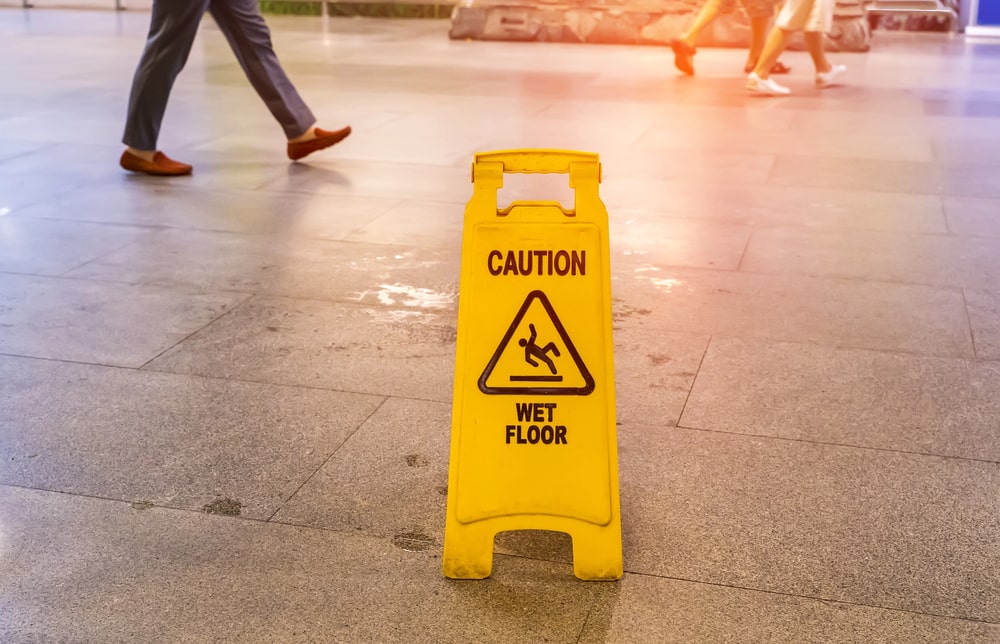
You’ve probably seen those bright yellow caution signs in stores, parking lots, and office buildings. Here’s what many people don’t realize: a warning sign doesn’t automatically let a property owner off the hook when someone gets hurt. Property owners in Florida have a legal duty to keep their premises reasonably safe for visitors. That responsibility goes beyond just slapping up a wet floor sign and calling it good. If you’ve been injured on someone else’s property, understanding how warning signs factor into liability can make a real difference in your case.
The Legal Standard For Premises Liability
Florida law requires property owners to address hazards in one of two ways. They can fix the dangerous condition, or they can provide adequate warning about it. The problem is that “adequate warning” has a specific legal meaning, and many property owners get this wrong. A Fort Lauderdale slip and fall lawyer sees cases all the time where warning signs were present, but still didn’t meet the legal standard. The sign might have been poorly placed, too small to read, or didn’t accurately describe the hazard.
What Makes A Warning Sign Actually Effective
Courts look at several factors when deciding whether a warning sign was sufficient:
- Was the sign visible and placed where people would actually see it?
- Did the warning clearly describe the specific danger?
- Was there enough time for visitors to react and avoid the hazard?
- Could the hazard have been fixed instead of just being warned about?
A faded “Caution” sign tucked in a corner doesn’t carry the same weight as a brightly colored barricade blocking access to a dangerous area. Context matters.
When Warning Signs Aren’t Enough
Some hazards are so serious that a warning sign simply won’t cut it. If a staircase railing is broken, putting up a sign that says “use handrail with caution” doesn’t solve the problem. The property owner needs to actually fix the railing or block off the stairs entirely. There’s also the issue of how long a hazard has existed. A wet floor that’s been sitting for hours with only a small sign nearby shows negligence. Property owners can’t use warning signs as permanent solutions to ongoing problems.
Hidden Hazards And The Duty To Inspect
Property owners must regularly inspect their premises for dangers that visitors wouldn’t expect. A warning sign can’t protect against a hazard the owner didn’t know about because they failed to conduct reasonable inspections. Let’s say a shopping center knows that water pools in a certain area every time it rains. They have a duty to address that recurring problem, not just put out a sign every time the weather turns bad. At The Andres Lopez Law Firm, we’ve handled numerous cases where property owners claimed ignorance about hazards they should have discovered through proper maintenance.
The Difference Between Invitees And Trespassers
Your legal status on the property matters. Business invitees, people invited onto commercial property for business purposes, receive the highest level of protection under Florida law. Property owners owe them a duty to inspect for hazards and provide warnings. Social guests receive slightly less protection, while trespassers receive the least. However, even trespassers can’t be deliberately harmed or exposed to hidden dangers.
How Insurance Companies Use Warning Signs Against You
Insurance adjusters love to point at warning signs as proof that their client did nothing wrong. They’ll take photos of every caution cone and wet floor marker on the property. Don’t let this intimidate you. A Fort Lauderdale slip and fall lawyer knows how to counter these tactics. We examine whether the warning was truly adequate, whether the hazard should have been fixed instead, and whether the property owner created the danger in the first place.
If you’ve been injured on someone else’s property, don’t assume that a warning sign means you have no case. The law protects people who are hurt due to inadequate safety measures, even when signs are present. Document everything you can about the scene, including the placement and visibility of any warnings, and reach out for legal guidance to understand your options.